“And though St. John saw many strange monsters in his vision, he saw no creature so wild as one of his own commentators.” — G.K. Chesterton
In many of my posts, I focus on Genesis. So, why not turn my attention to another controversial and misunderstood book at the back end of the Scriptures, The Revelation of Jesus Christ to John of Patmos? If one is allowed to have a favorite book in the Bible, then this book has become mine thanks in large part to my beloved professor, the late Gordon Fee (1934-2022). In the year of our Lord two-thousand, Fee taught a course at Regent College on The Book of Revelation. When we asked him if all the Y2K talk and the year itself influenced his decision to teach this course at this time, he smiled, laughed at himself, and said, “You know. I never even thought of that.” That answer is an indication of how free he was from the dispensationalist background of his youth. How could that be?
Well, the good Doctor was no longer beholden to the “timeline: future written in advance” view of his Pentecostal and dispensationalist upbringing. Yes, the focus of the text is who Jesus is and who we are in relation to Jesus but not about figuring out when Jesus will come back or who the antichrist is (as if there is only one).
If the following image confuses you, then join the club and try reading Revelation anew in its late first century context and with the aid of excellent contemporary scholarship.
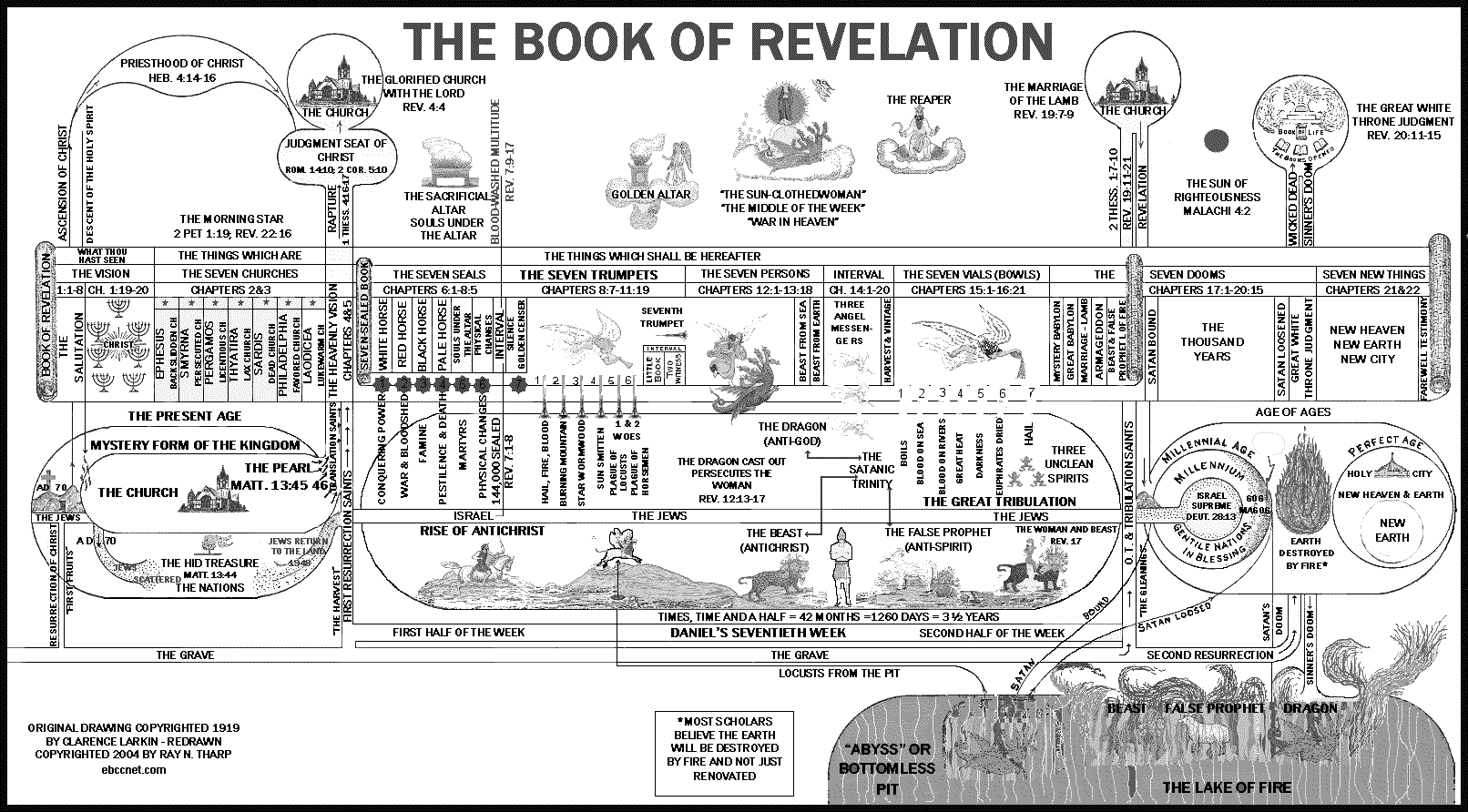
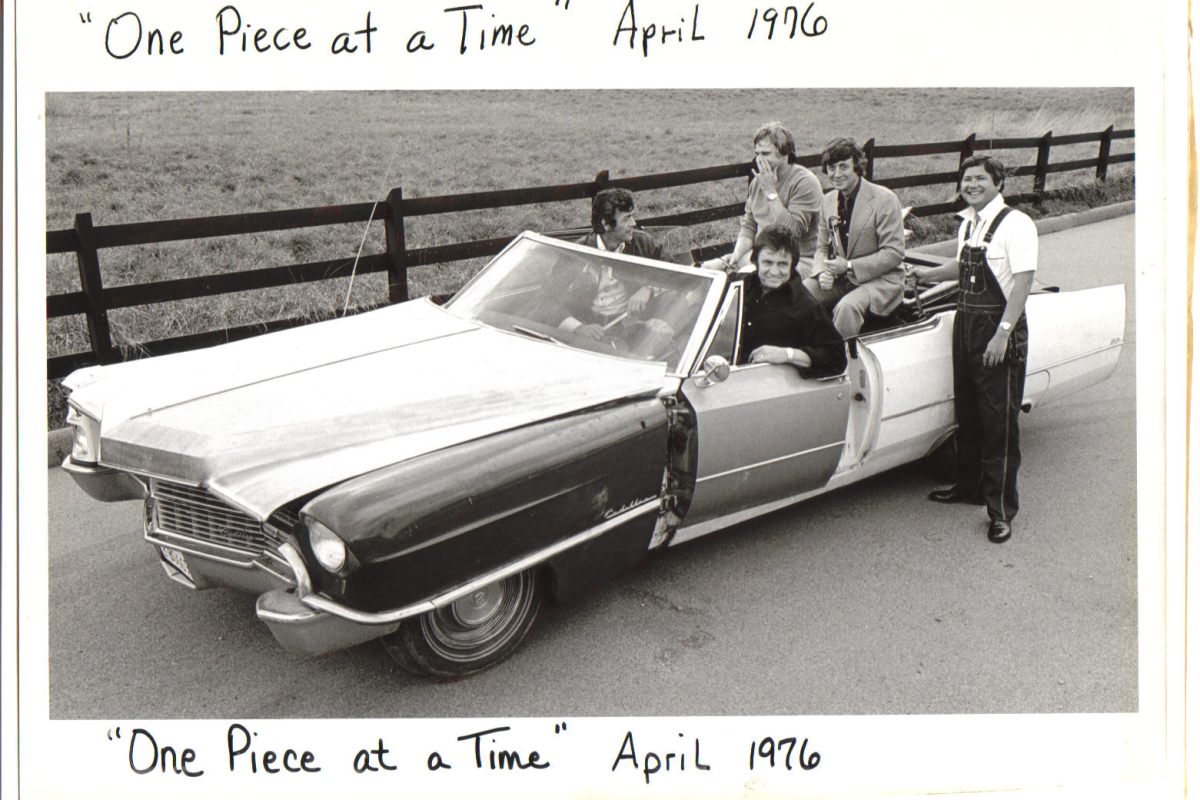
As with so-called literalist approaches to Genesis, the Dispensationalist approach which has filtered into the popular imagination involves a great deal of reading into the text (or eisegesis). Indeed, the Dispensationalist approach involves incredible effort and research but this effort and research is based on the wrong kinds of questions. It is as if they are attempting to assemble a Mustang with the instructions for a Prius. Many of the parts look the same but some seem to missing. So, they borrow a bit from Daniel, a bit from Isaiah, a bit from Thessalonians, and duct tape it together with current events, etc. In the end, they have neither a Mustang or a Prius. They have Johnny Cash’s “One Piece at a Time” Cadillac.
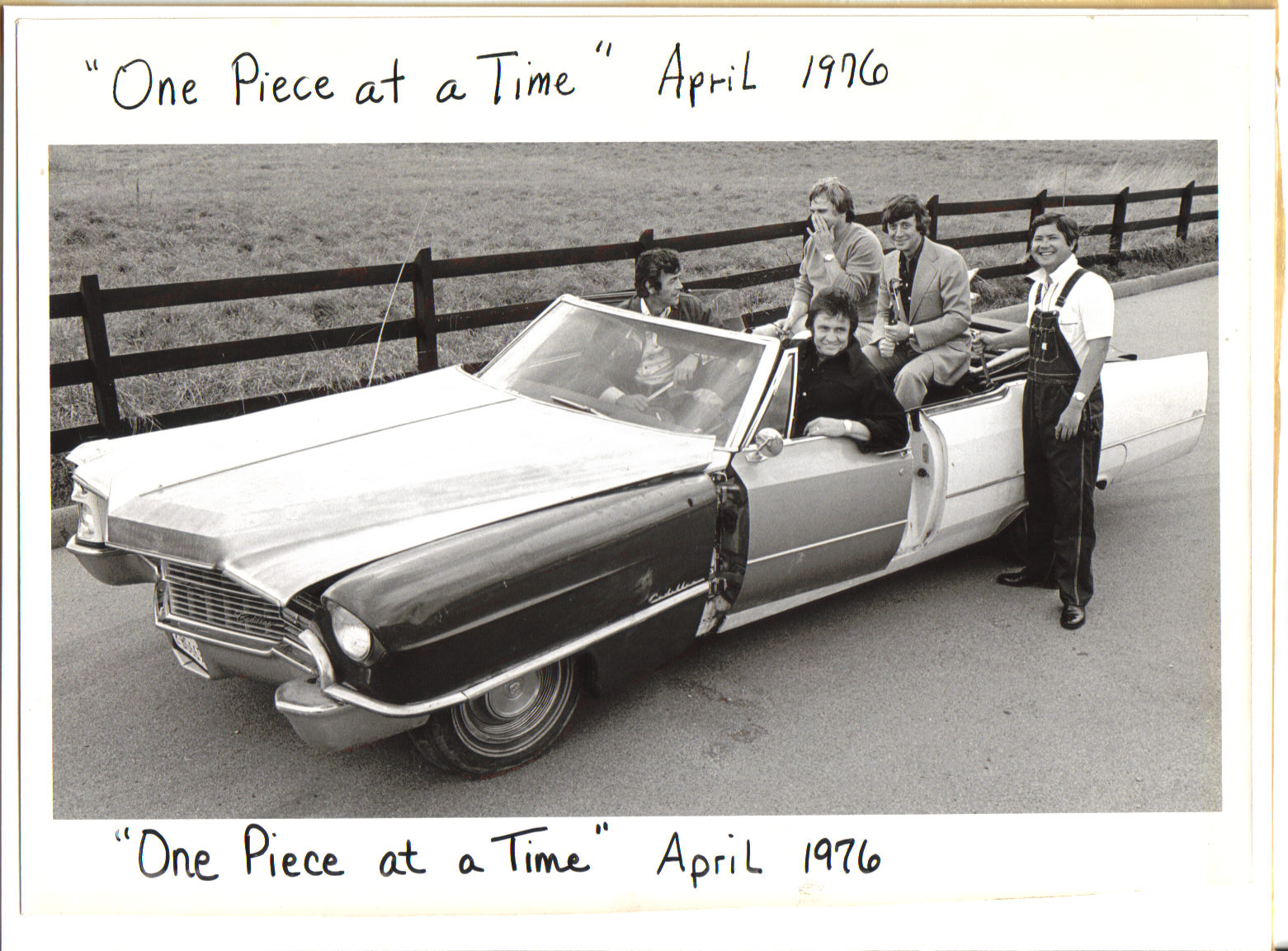
A Portrait of Dispensationalist Interpretation of the Book of Revelation.
The following authors take Revelation‘s first century context and its place in the “apocalyptic” and prophetic tradition seriously. The books each have their strengths one of those strengths is being relatively concise. Another strength is that they ask the right kinds of questions such as “how would this book have been understood by its first readers?”, “how would they have understood John’s use of symbols and numbers?”, “how would they understand John’s many Old Testament allusions?”, etc. Tapping or clicking on the image or title will take you to Amazon where you can add these excellent resources to your library. These links are Amazon Affiliate links which in turn supports and encourages me in my effort to help people gain a richer understanding of Christian theology, tradition, and history.
Except for Craig R. Koester’s book, the other books are not listed in any particular order.
My Recommendations:
Craig R. Koester’s Revelation and the End of All Things

Eugene Peterson’s Reversed Thunder: The Revelation of John and the Praying Imagination
Any book by Eugene Peterson (1932-2018), the translator of The Message, is worth reading. His name will likely appear in many of my posts. As a pastor, Eugene Peterson’s approach to most texts moves toward the “Okay, now how do I live in light of this understanding?” In this book, Peterson shows how reading Revelation well can radically transform our prayer life and see the world from the perspective of God’s throne room. As always, Peterson’s writings are grounded in solid research and a rich understanding of Christian history and theology. Grounded in a deep understanding of the text, I return to this and other books by Peterson as devotional reading. For me, reading Peterson is like spending time with a wise pastor and friend. He helps removes the cataracts from my eyes and the callouses from my heart. He reminds me that the world is God’s creation and Christ is my King.
Darrell Johnson’s Discipleship on the Edge: An Expository Journey Through the Book of Revelation

P.S. My recommendation of this book has nothing to do with the fact that my name appears in the acknowledgments but doesn’t that make you want it even more. 😉
Gordon D. Fee’s Revelation: A Commentary

Richard Bauckham’s The Theology of the Book of Revelation
As the title suggests, in this book, Bauckham guides the reader into the rich theological depths of John’s Revelation, i.e. its deeply trinitarian motifs. This book is organized thematically to illuminate significant theological themes in John’s visions. Bauckham is able to weave together much of the research from his longer work The Climax of Prophecy. Bauckham’s book will guide you into a richer understanding of the symbolism and the literary art of John’s prophetic imagination.
Paul Spilsbury The Throne, The Lamb, & The Dragon: A Reader’s Guide to the Book of Revelation
Paul Spilsbury’s book is a close runner-up for my go to book for an introduction to Revelation. Like Koester, Spilsbury walks you through John’s Revelation. It too would make a good companion volume as you read this challenging book. It may simply be that I read Koester first and I really like Koester’s introductory chapter. 😉
Much to my delight, Paul Spilsbury joined the faculty at Regent College in 2015 and as of July 1, 2025 is President of Regent College.
Marva Dawn’s Joy in Our Weakness: A Gift of Hope from the Book of Revelation
In contrast to those who focus on images of power in current events such as natural disasters and political powers, Marva Dawn (1948-2021) shows us that the true message of Revelation is that “victory lies in receiving divine grace for our weakness.” As a diabetic with many of the complications that arise from this disease, Marva Dawn writes this book out of personal experience. As with all the books I have recommended here, Dawn’s book is grounded in solid research and exegesis. As the chapter titles indicate, this book will guide you through the text and draw out the themes of suffering and weakness that permeate this text. The reviews on Amazon may be more helpful than this little recommendation here.
Final Thoughts:
Gordon Fee taught his Revelation twice during my time at Regent. I audited it both times. As I suggested above, understanding John’s visions and his message in its first century context was eye-opening. I now see Revelation as John giving us a glimpse of God’s perspective from his heavenly throne room on the ways of the world. John is giving us a behind the scenes look. He is drawing back the curtain which is what the term apocalyptic means — to reveal. Those forces (principalities and powers) in the world that seem beautiful, powerful, wealthy and eternal are from God’s throne room perspective rapacious beasts who food off the suffering of others to satiate their insatiable hunger. They may be long lived but they are not eternal. They will not be overcome by acting like them — one beast simply devours another. Rather, they are overcome by following the way of the slain lamb who insisted on loving God, loving the neighbor, including one’s enemies, even if it means that beasts and the dragon turn on you. At the time of updating this blog post, I see many professing joining up with the beasts and imitating them instead of Christ. Christians often forget that it is not just the truth and the life — but it is the Way, the Truth, and the Life. Revelation is a book for our time as it is a book for all times. (Last revised: July 2025)

Support this blog:
I write PopChrist to help readers engage Christian theology with curiosity and clarity. If you’ve found value in these reflections or book recommendations, consider supporting the blog. Your contribution helps cover hosting costs and encourages me to keep writing. Thank you for reading—and for supporting thoughtful Christian conversation.
$5.00

 #POPChrist
Two other good books to read:
“Prophecy and the Apocalyptic Dream” by D.S. Russell
http://www.amazon.com/Prophecy-Apocalyptic-Dream-Protest-Promise/dp/1565630548/ref=sr_1_1?ie=UTF8&qid=1443629307&sr=8-1&keywords=prophecy+and+the+apocalyptic+dream
“Comfort and Protest” by Allan Boesak
http://www.amazon.com/Comfort-Protest-Apocalypse-African-Perspective/dp/0664246028/ref=sr_1_1?ie=UTF8&qid=1443629384&sr=8-1&keywords=Comfort+and+Protest
LikeLike
“The Original New Testament” by Hugh J. Shoenfeld (1988) is the best possible book on the subject. Although Revelation is only a fairly minor part of the book, it’s utterly brilliant. He ties the symbolism of the first half of the book to things that had actually already hapened in the 66-70 Jewish war, and then explains the context of the prophetic parts of the book in the second half. Very, very good reading. The rest of the book is quite good, too.
LikeLike
Just looking at it on Amazon, I must say I am a little put off by Shoenfeld’s claims to objectivity and “definitive” nature of his translation. But I have not read it so I can neither recommend nor warn against this particular book. Thanks for commenting.
LikeLike
You’re welcome. Obviously objectivity is a myth. He did, however, have the advantage of not being shaped by a particular demoninational nor religious bias, as he wasn’t a member of any particular religion (Though he’d been raised Jewish)
LikeLike
Thanks maybe I’ll take a look. However, from your description, I wonder if the author takes a Preterist view which I do not find convincing. I think Revelation was written post-70 AD to the largely Gentile Christians in Asia Minor who may already be experiencing some pressure from the Empire under Domitian. The events of 66-70 AD is in the past for its original readers.
LikeLike
Sorry, not all of Eugene Peterson’s writings are based on “solid research.” While Peterson does use words well, no serious preacher/teacher would use The Message in teaching the Bible. Peterson was more of an emergent believer which puts him in the liberal wing.
LikeLiked by 1 person
Since I studied with and new Peterson personally, I think your assessment of where he lies on the spectrum is entirely incorrect. To understand the origins and purposes of The Message translation, read Eat This Book. Moreover, Peterson’s writing are rooted in scholarship and years of pastoral experience.
LikeLike
I am the author or a recent book on Revelation. Worthy is the Lamb: The Book of Revelation as a Drama
LikeLike
Thanks. Where can I find it? If you want to send me a copy, I will review it here and maybe on my podcast Star-Crossed Kingdoms.
LikeLike
You can order from my website: revelationdrama.org, from the publisher, Westbow Press, from Amazon, etc., and numerous other book stores. It’s in hard cover, soft cover and Ebook. I will send you a copy if you give me an address
LikeLike
I still want to send you a copy of my Book: Worthy is the Lamb: The Book of Revelation as a Drama (by Roland England) But I still don’t know where to send it? Has anyone read the Book? I follow two basic Biblical principles of interpretation. I Interpret it in its own historical context; with the witness of other holy Scripture.
LikeLike
Ian, I sent you a book month’s ago I hope you received it Are you still able to review it?
LikeLike
I remain ready to mail a copy if I have an address
LikeLike
I never did receive this book. I hope wherever it went someone found it helpful. My apologies. As you can see I have not been very active on my blog as other activities of life took priority. Peace.
LikeLike
Thanks for your recommendations. I just discovered your website today! I’ve used Richard Bauckham’s book on Revelation (along with his larger work Climax of Prophecy) as the backbone for a teaching series on Revelation. I will check out a couple of your suggestions. Thanks for writing and your service to the kingdom!
LikeLike
Thank you. I’m delighted that you found it useful. I haven’t written a post in a while but given that it is a New Year maybe now is the time to start.
LikeLike